
What is matcha and why is it so healthy?
Matcha is a special form of green tea that has become incredibly popular in recent years. Unlike traditional tea, where the tea leaves are steeped and then discarded, matcha is made from ground tea leaves. The result is a bright green powder that you dissolve completely in water or milk — and therefore consume the entire leaf content.
What does matcha mean?
The word matcha comes from Japanese and literally means “ground tea” (ma = ground, cha = tea). This accurately reflects what matcha is: a super-fine powder made from green tea leaves.
Where does matcha come from?
Matcha has a long history. Although green tea was originally developed in China, matcha was later refined in Japan, where it took on a central role in traditional tea ceremonies – particularly by Zen Buddhist monks. Today, Japan, especially regions like Uji (Kyoto), is known as the heart of matcha production.
How is matcha made?
Matcha is produced through a special process with a focus on quality:
- Shade-growing: Approximately 20–30 days before harvest, the tea bushes are covered to reduce sunlight. This increases chlorophyll levels and gives matcha its bright green color and rich flavor.
- Harvest: Only young, tender top leaves are picked.
- Steaming and drying: The leaves are steamed to prevent oxidation.
- Stem removal: Only the soft leaf material (tencha) remains.
- Fine grinding: The tencha is slowly and carefully ground into a fine powder.
Matcha versus regular green tea
The main difference between matcha and conventional green tea is the method of consumption:
Traditional green tea: you steep the leaves in hot water and then remove them.
Matcha: you consume the whole leaf as a powder — which means you ingest more nutrients.
What does matcha taste like?
Matcha has a full, rich flavor with a slight umami profile, often described as grassy, softly bitter, yet sweet. The taste can vary depending on the quality: ceremonial matcha is milder and more refined, while culinary matcha can be somewhat stronger and more bitter.
How do you prepare matcha?
Traditional matcha preparation is part of the Japanese tea ceremony, but you can also simply make it at home:
- Sift 1–2 teaspoons of matcha powder into a bowl to prevent lumps.
- Add hot water (approximately 70–80°C, not boiling).
- Whisk with a bamboo whisk (chasen) until a frothy texture is created.

Matcha can also be used in lattes, smoothies, desserts, and even savory dishes.
What are the benefits of matcha?
Matcha is known for its rich nutritional profile and potential health benefits:
Antioxidants: Matcha contains high concentrations of antioxidants (such as EGCG).
Energy and focus: Matcha provides caffeine in combination with L-theanine, which can provide a calm, focused energy boost without the “crash” of coffee.
Metabolism: some studies suggest that matcha may contribute to a higher metabolism.
Overall health: matcha can contribute to cardiovascular health and immune system support thanks to its phytochemicals.
Are there any downsides or side effects?
Although matcha has many benefits, there are a few points to consider:
Caffeine: matcha contains caffeine, which can cause nervousness or sleep problems if consumed in excess.
Interaction with iron: the tannins in matcha can reduce the absorption of iron from food if you drink it with iron-rich meals.
Quality: cheap, artificially colored powders are often less nutritious and do not taste as good.
Matcha in daily life
Today, matcha is not only popular in tea form. You see it in:
- Matcha lattes and iced coffees
- Smoothies and bowls
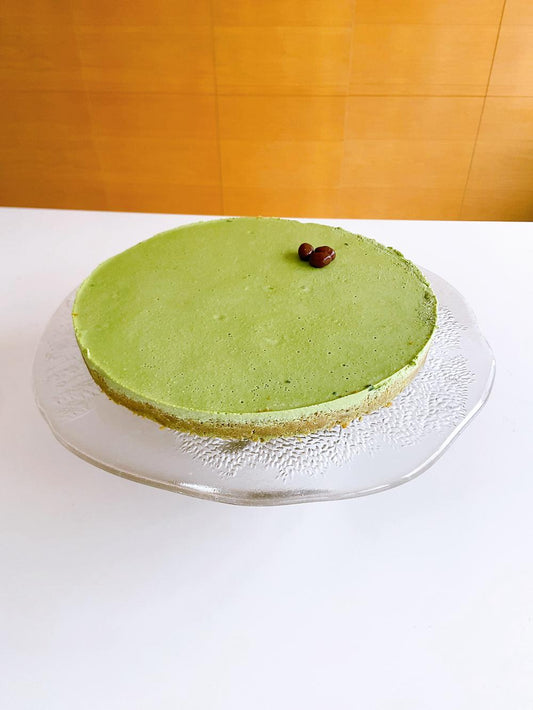
- Baked goods such as muffins, cookies, and cakes; see our recipe for matcha cheesecake here
- Savory dishes for color and flavor
Matcha remains a versatile and trendy addition to modern kitchens and drink menus.
Conclusion
Matcha is much more than ordinary green tea: it is a finely ground powder in which you consume the entire leaf, resulting in an intense flavor and potentially higher health benefits. With its rich history, traditional preparation, and modern applications, matcha remains a unique and beloved drink worldwide.
Would you like to try Matcha yourself?
You can find it here on our website, along with the matcha whisk: